Cork or EVA foam yoga block? Why I choose cork
The tips I share are general and do not replace a professional. Listen to your body and see a specialist if you have an injury or a health condition.
When you look for a yoga block you’ll mainly find two materials: cork and EVA foam. At first glance they look similar, but on the mat they behave very differently. Here’s what I’ve noticed while practising and why I chose cork.
Firmness: support that doesn’t sink
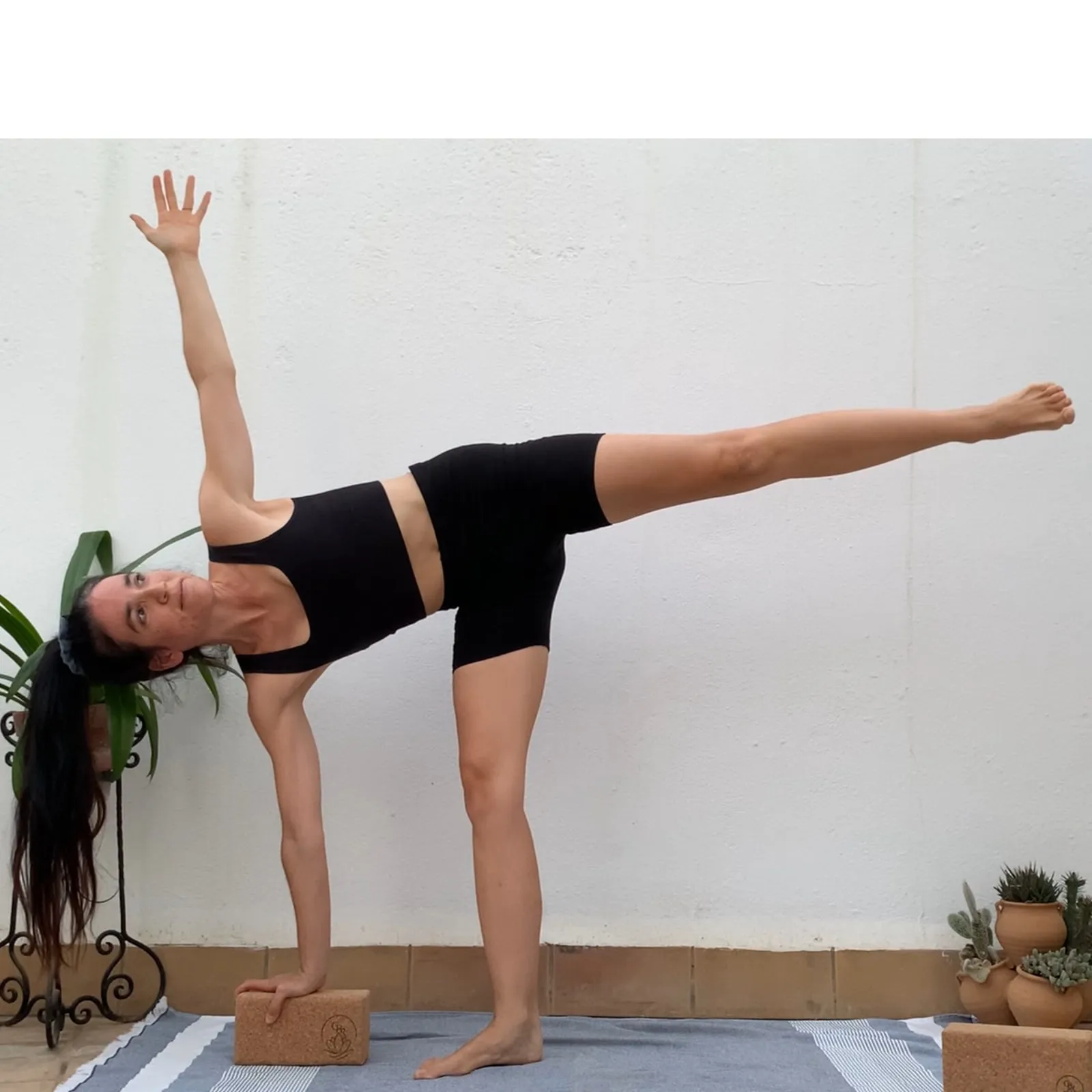
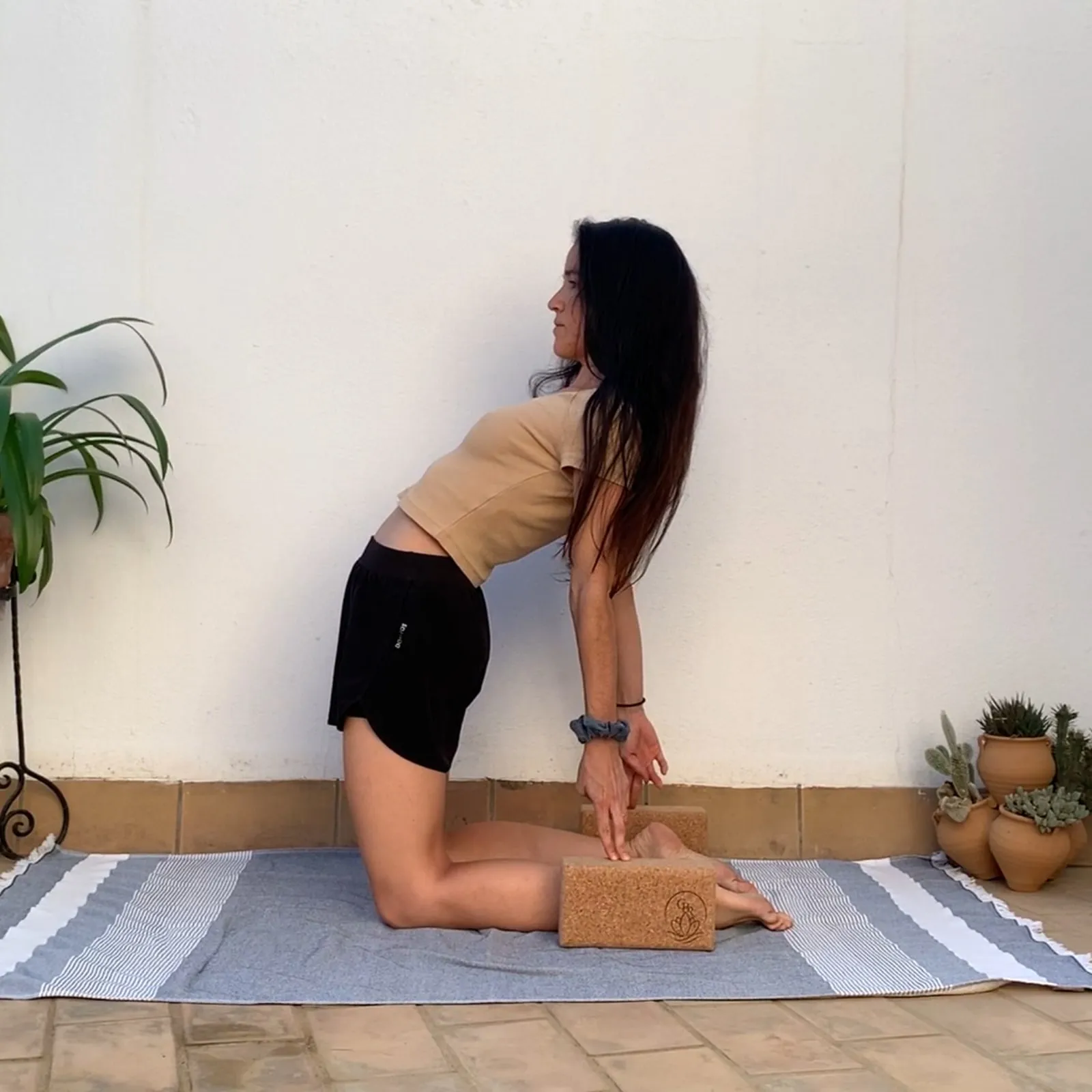
This is the big difference. Cork is firm and dense: when you put your weight on it, it doesn’t sink. That’s why it feels so reassuring in balance poses or when you load your hands, as in downward-facing dog, plank or camel.
EVA foam is softer and gives under pressure, so the support feels less stable just when you need it most.
Grip
Cork has a natural texture that grips your hands and your mat very well, even when your hands sweat. Foam is usually smoother and more slippery.
Weight and stability
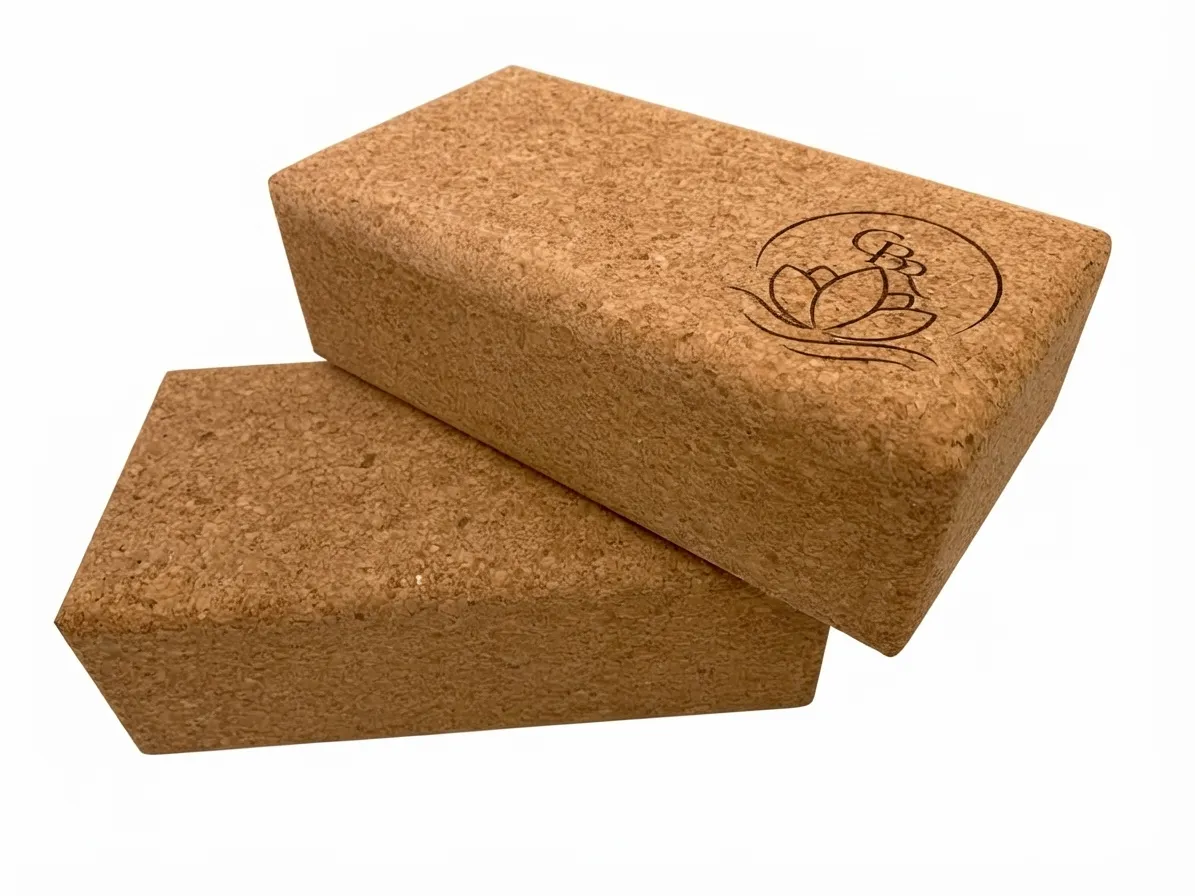
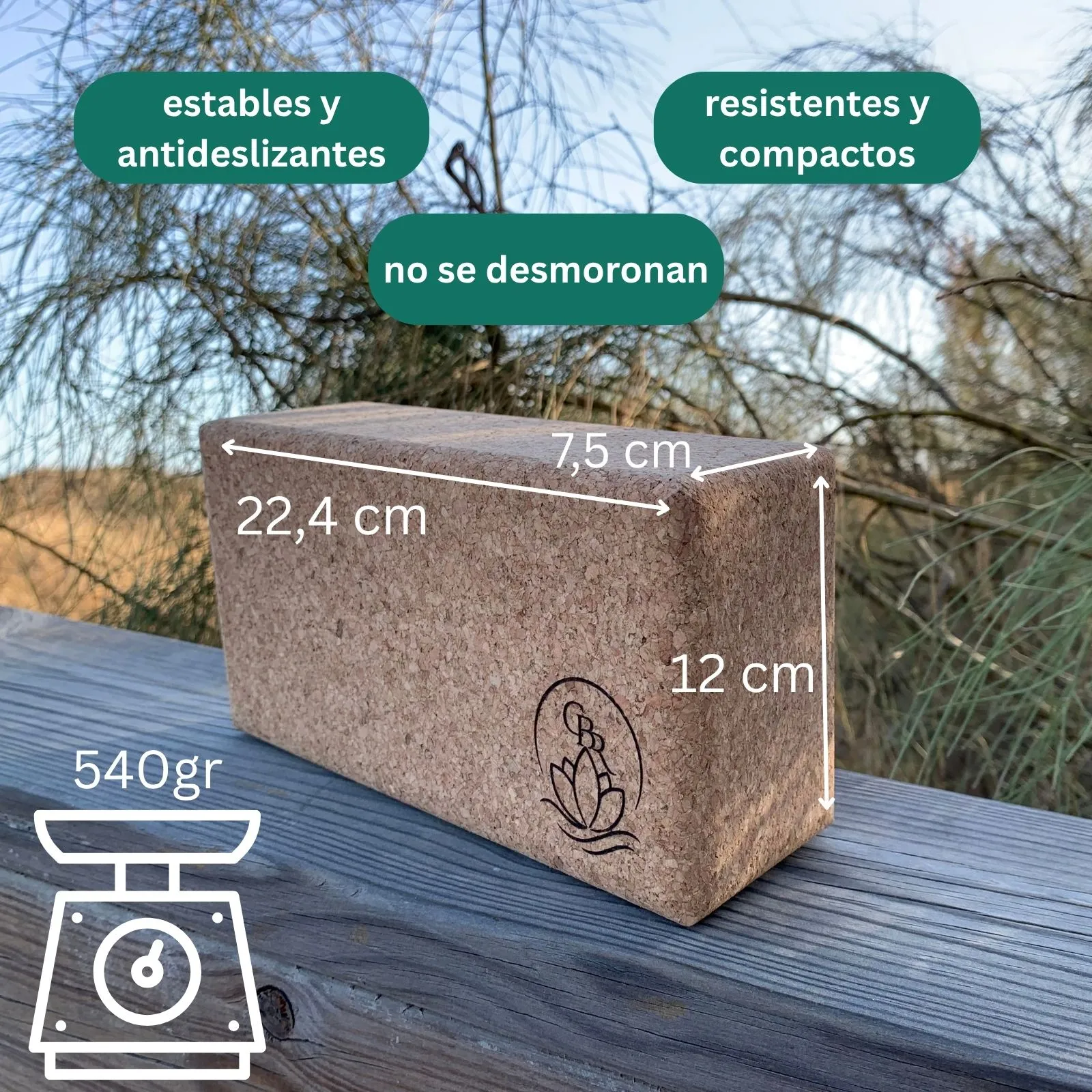
A cork block like ours measures 22.4 x 12 x 7.5 cm and weighs about 540 g. That weight is exactly what makes it stable: it stays in place and doesn’t tip over when you lean on it. As cork is a natural material, the weight may vary slightly from one block to another.
Feel and care
Cork feels warm and pleasant to the touch. To clean it, just use a slightly damp cloth and mild soap, without submerging it, and leave it to air dry away from direct sunlight.
So, why cork?
- Stability: it doesn’t sink or tip over.
- Grip: it doesn’t slip in your hands or on the mat.
- Safety: it gives you firm support so you can practise with confidence.
- 100% natural cork, warm and pleasant to the touch.
If you have any doubts, message me and we’ll talk it over 💚
The props I use in this article
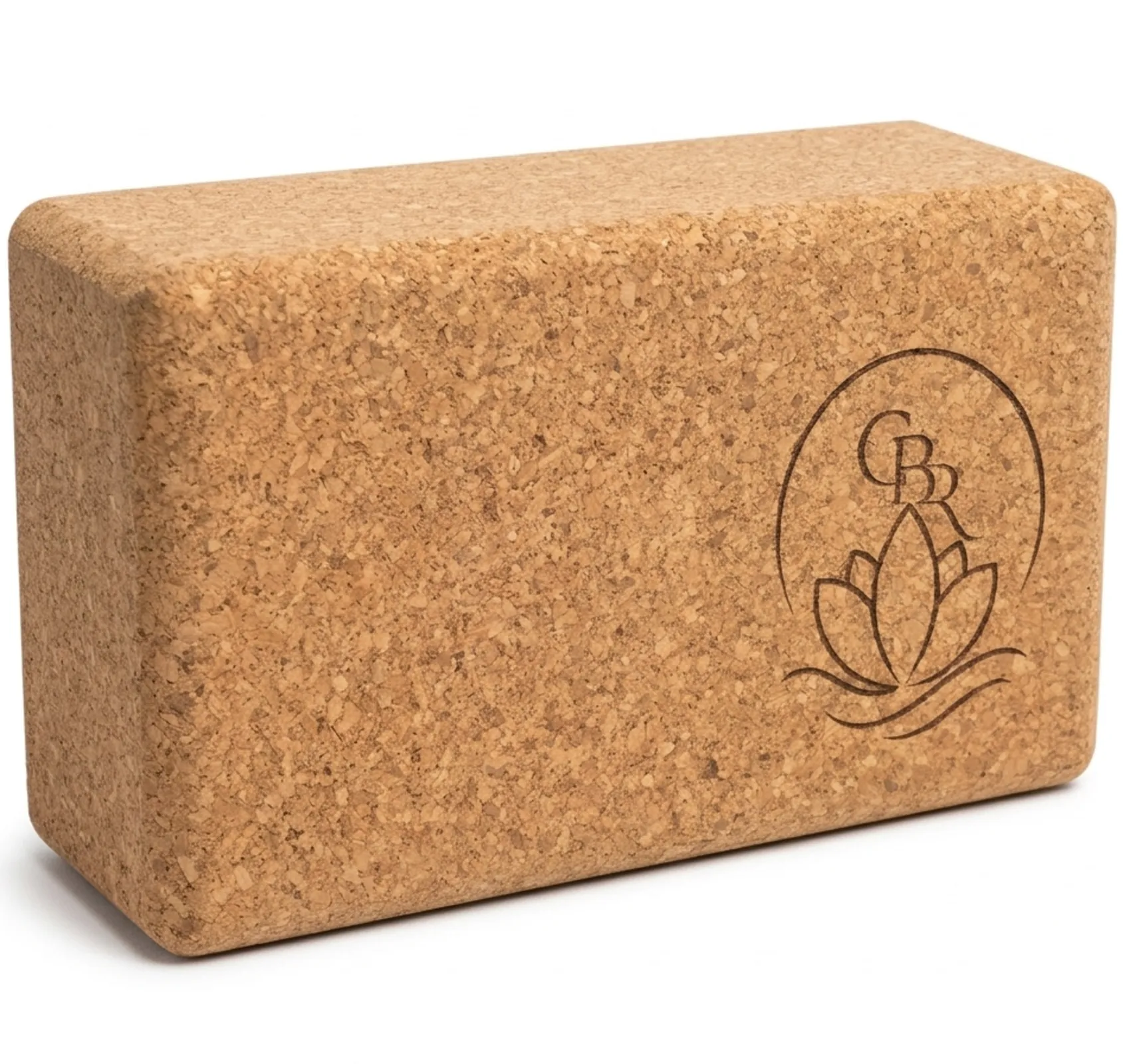
Cork yoga block: a must-have to get started
€13.20VAT included · Free shipping to mainland Spain and the Balearic Islands
View product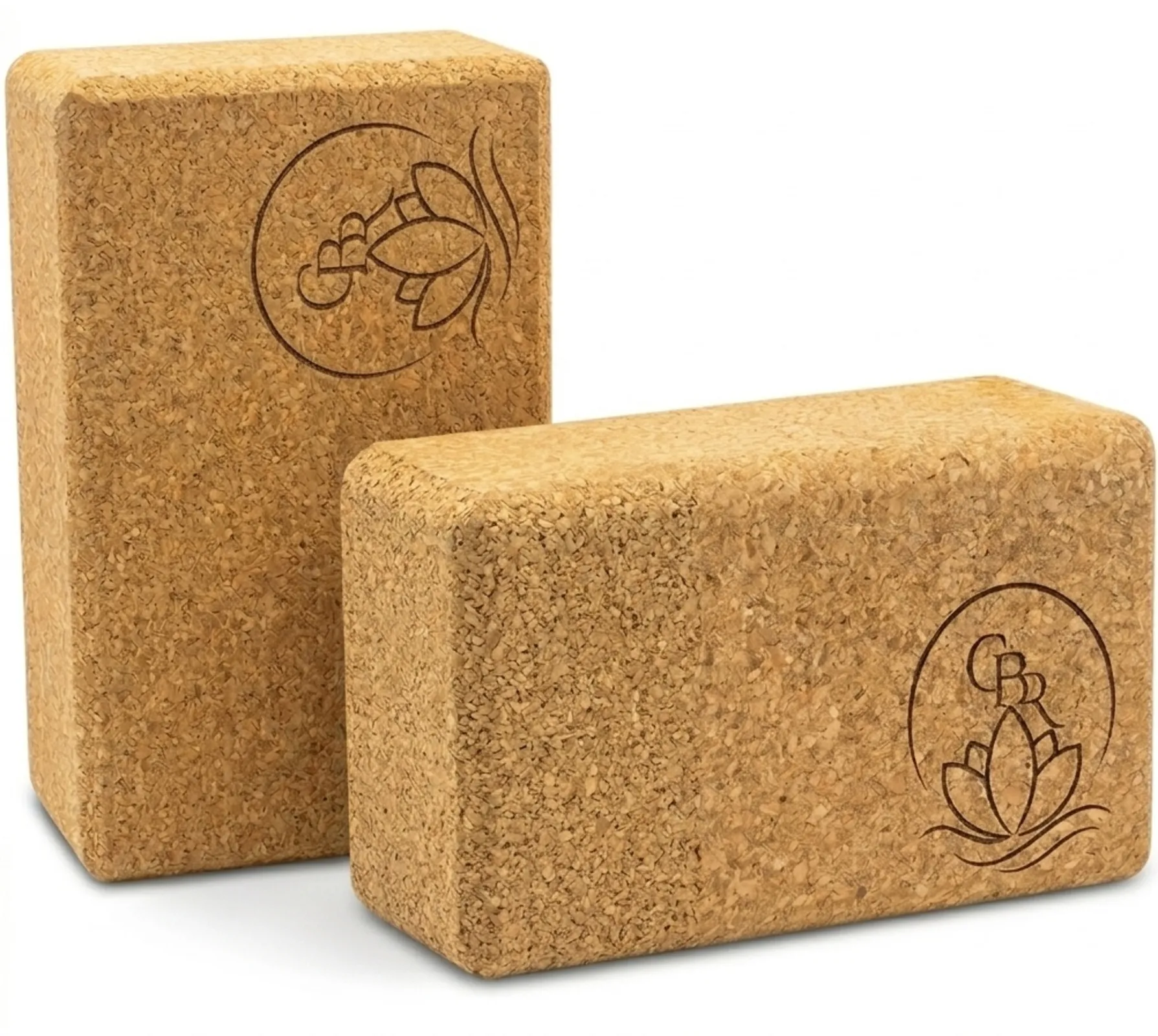
2-pack of cork yoga blocks: double support, better price
€19.99VAT included · Free shipping to mainland Spain and the Balearic Islands
View product